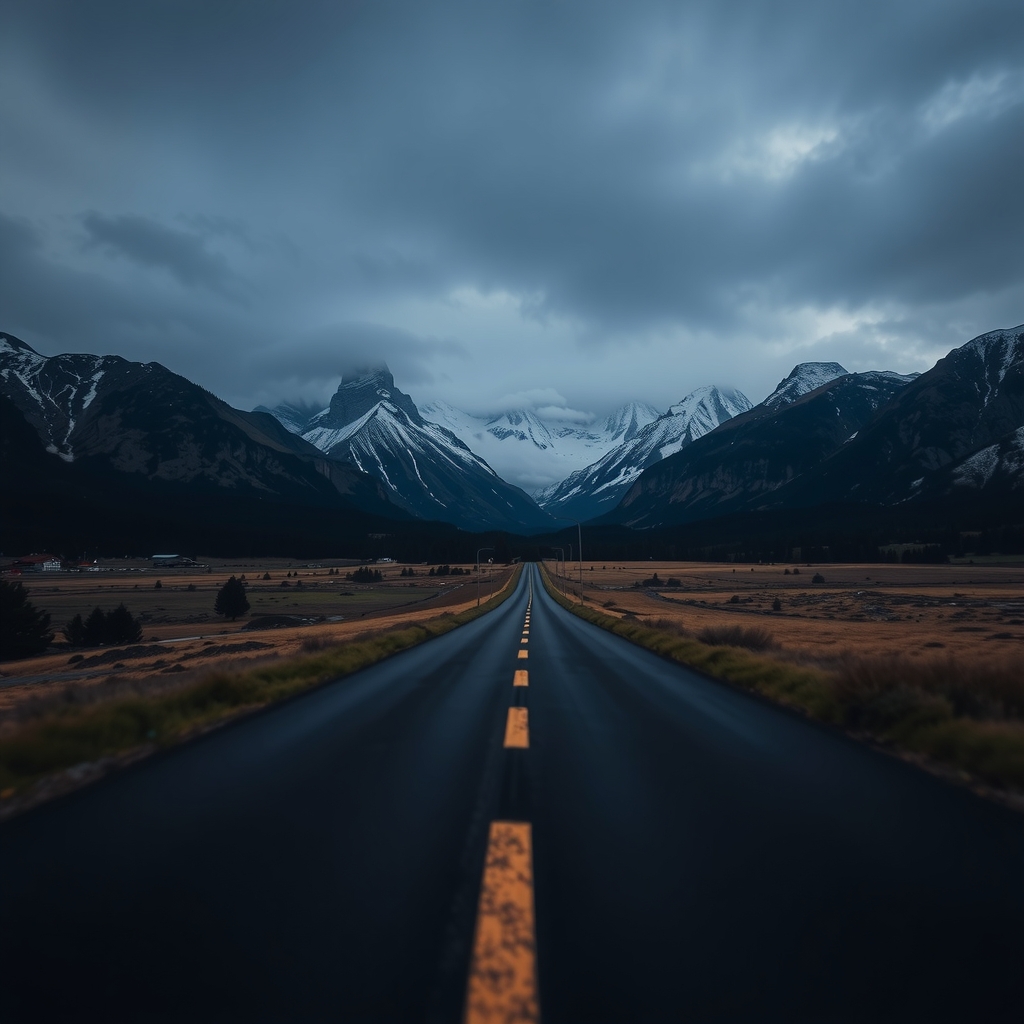
The Ultimate Guide to Exploring the Rocky Mountains: Top Destinations, Hiking Trails, and Travel Tips
The Rocky Mountains stretch more than 3,000 miles from British Columbia down to New Mexico, offering a dramatic backdrop of jagged peaks, alpine lakes, and endless wilderness. Whether you’re chasing sunrise over a glacier‑fed summit, spotting elk in a meadow, or simply unwinding beside a turquoise tarn, the Rockies deliver experiences that feel both grand and intimate. This guide pulls together the best destinations, trail recommendations, and practical advice to help you plan a trip that’s safe, enjoyable, and unforgettable.
Why the Rocky Mountains Belong on Your Bucket List
Few mountain ranges combine accessibility with raw beauty quite like the Rockies. Major gateway cities such as Denver, Calgary, and Salt Lake City put world‑class trailheads within a few hours’ drive, while vast swaths of protected land keep crowds at bay once you leave the main roads. The region’s ecological diversity means you can hike through pine forests, cross tundra above treeline, and wander past wildflower‑strewn valleys—all in a single day. For photographers, the changing light on peaks like Longs Peak or Mount Robson creates endless opportunities; for wildlife enthusiasts, sightings of bighorn sheep, moose, and even the occasional black bear are common. In short, the Rockies cater to every type of traveler, from families seeking easy strolls to seasoned mountaineers plotting technical ascents.
Top Destinations in the Rocky Mountains
Rocky Mountain National Park, Colorado
Often the first name that comes to mind, Rocky Mountain National Park (RMNP) encompasses over 415 square miles of spectacular terrain. According to the National Park Service, the park boasts more than 350 miles of hiking trails, ranging from gentle lakeside walks to strenuous summit pushes (NPS summer trip planning). Popular hubs like Bear Lake and Moraine Park provide easy access to iconic vistas, while the Trail Ridge Road—America’s highest continuous paved highway—offers panoramic views that stretch across the Continental Divide. If you’re looking for a comprehensive overview, The Blonde Abroad’s ultimate guide covers lodging, transportation, and recommended hikes for first‑timers (The Blonde Abroad RMNP guide).
Glacier National Park, Montana
Known as the “Crown of the Continent,” Glacier National Park features over 700 miles of trails, pristine glaciers, and the famous Going‑to‑the‑Sun Road. The park’s dramatic scenery—turquoise lakes framed by towering cliffs—makes it a favorite for backpackers and day hikers alike. Highlights include the Grinnell Glacier Trail, which offers close‑up views of retreating ice, and the Highline Trail, famed for its wildlife sightings and sweeping vistas.
Grand Teton National Park, Wyoming
Just south of Yellowstone, Grand Teton National Park presents a striking contrast of rugged peaks rising abruptly from the Jackson Hole valley. The Teton Range’s sheer faces attract climbers, while the park’s numerous lakes—Jenny, Leigh, and Taggart—provide serene settings for kayaking, fishing, and easy walks. The Jenny Lake Loop is a classic moderate hike that delivers stunning reflections of the Grand Teton itself.
Banff and Jasper National Parks, Canada
Crossing the international border, the Canadian Rockies offer equally breathtaking landscapes. Banff’s Lake Louise and Moraine Lake are postcard‑perfect, while Jasper’s Columbia Icefield allows visitors to walk on ancient glaciers via the Ice Explorer. Both parks provide extensive trail networks, wildlife viewing opportunities, and charming mountain towns where you can refuel after a day on the trails.
Other Noteworthy Areas
Beyond the marquee parks, consider exploring the Arapaho and Roosevelt National Forests near Boulder, the Indian Peaks Wilderness for high‑altitude solitude, or the Sawtooth Range in Idaho for rugged, less‑traveled terrain. These locales often provide comparable scenery with fewer visitors, making them ideal for those seeking a quieter experience.
Best Hiking Trails for Every Skill Level
Easy Walks and Family‑Friendly Trails
- Bear Lake Loop (RMNP) – 0.6 mile, flat, offers views of Hallett Peak and Flattop Mountain.
- Lake Annette Trail (Banff) – 1.8 mile round trip, easy grade, ends at a picturesque lake surrounded by forest.
- Shadow Lake Trail (Grand Teton) – 1.3 mile, boardwalk sections, great for spotting moose and beavers.
These routes are perfect for children, seniors, or anyone looking to enjoy the scenery without a strenuous climb.
Moderate Day Hikes
- Emerald Lake Trail (RMNP) – 3.6 mile round trip, steady ascent to three alpine lakes; often cited as a “best hike” by travel blogs (Follow Tiff’s Journey).
- Icefields Parkway to Athabasca Falls (Jasper) – 2 mile one‑way, interpretive signs explain glacial history, culminating at a powerful waterfall.
- Cascade Canyon Trail (Grand Teton) – 4.6 mile one‑way, follows a creek through a dramatic canyon with views of the Tetons’ eastern face.
Moderate hikes typically involve 500–1,500 feet of elevation gain and take two to four hours to complete, making them ideal for a half‑day adventure.
Challenging Backcountry Routes
- Longs Peak via the Keyhole Route (RMNP) – 14.5 mile round trip, over 5,000 feet of gain, exposed scrambling; recommended only for experienced hikers with an early start.
- Mount Robson via the Berg Lake Trail (British Columbia) – 23 mile loop, glacier views, requires backcountry camping permit.
- The Skyline Trail (Jasper) – 29 mile point‑to‑point, high‑altitude meadows, panoramic vistas; best attempted in late July to early September when snow has melted.
For these endeavors, check current trail conditions, carry a map or GPS device, and be prepared for rapid weather changes.
Practical Travel Tips
When to Visit (Seasons & Weather)
- Late June to early September – Snow has largely melted at lower elevations, trails are open, and daytime temperatures range from 60 °F to 80 °F (15 °C–27 °C). Afternoon thunderstorms are common, so start hikes early.
- Early October – Ideal for fall colors, especially in the Canadian Rockies and higher Colorado valleys; temperatures begin to drop, and some high‑elevation trails may close due to early snow.
- Winter (December–February) – Offers snowshoeing, cross‑country skiing, and quiet landscapes, but many park roads close and avalanche risk rises in backcountry areas.
Always check the specific park’s website for current road closures and weather alerts before you go.
Getting There & Around
- By Air: Fly into Denver International (DEN), Calgary International (YYC), or Jackson Hole (JAC). From there, rental cars provide the most flexibility.
- By Car: Major highways such as I‑70 (Colorado), US‑89/US‑191 (Wyoming/Montana), and the Trans‑Canada Highway (Alberta/British Columbia) give direct access to park entrances.
- Shuttles & Public Transit: Rocky Mountain National Park offers a free seasonal shuttle from Estes Park to Bear Lake and Moraine Park; Glacier National Park operates a seasonal shuttle along Going‑to‑the‑Sun Road. Using these services reduces parking hassle and environmental impact.
Accommodation Options
- Campgrounds: Most national parks run first‑come, first‑served sites (e.g., Moraine Park in RMNP) and reservation‑only sites (e.g., Glacier’s Many Glacier). Arrive early in peak season to secure a spot.
- Lodges & Cabins: Historic lodges like the Stanley Hotel (Estes Park) or Jasper Park Lodge provide comfort after a day on the trail.
- Nearby Towns: Estes Park (Colorado), Whitefish (Montana), and Banff (Alberta) offer a range of hotels, vacation rentals, and dining options, often with easier availability than in‑park lodging.
Gear & Safety Essentials
- Footwear: Sturdy, broken‑in hiking boots or trail shoes with good grip.
- Layers: Moisture‑wicking base, insulating mid‑layer (fleece or down), and waterproof outer shell. Mountain weather can shift from sunshine to snow in minutes.
- Navigation: Topographic map, compass, and/or a fully charged GPS device or smartphone with offline maps.
- Hydration & Nutrition: At least 2 liters of water per person per day, plus electrolytes; high‑energy snacks like trail mix, jerky, and energy bars.
- Safety Gear: Headlamp, first‑aid kit, whistle, bear spray (in grizzly country), and a multi‑tool.
- Leave No Trace: Pack out all trash, stay on established trails, and camp at least 200 feet from lakes and streams.
Wildlife Viewing & Leave No Trace
The Rockies host diverse fauna. Keep a minimum distance of 25 yards from most animals and 100 yards from bears and wolves. Use binoculars or a zoom lens for close‑up views without disturbing the animals. Never feed wildlife—habituation leads to dangerous encounters and can result in animal removal.
Sample Itineraries
3‑Day Rocky Mountain National Park Escape
Day 1: Arrive in Estes Park, pick up a rental car, drive to Bear Lake. Hike the Bear Lake Loop and then the Alberta Falls Trail (1.6 mile round trip). Evening: dinner in Estes Park, early night for an alpine start.
Day 2: Sunrise at Trail Ridge Road (highest point at 12,183 ft). Stop at Forest Canyon Overlook for photos, then hike the Emerald Lake Trail to Dream Lake and Emerald Lake (3.6 mile round trip). Afternoon: relax at Sprague Lake or take a gentle paddle on the lake.
Day 3: Early start for a moderate summit attempt—Mount Ida via the Flattop Mountain Trail (8.2 mile round trip, 2,500 ft gain). If conditions aren’t favorable, opt for the Gem Lake Trail (3.4 mile loop). Return rental car, depart.
5‑Day Multi‑Park Adventure
Day 1–2: Fly into Calgary, pick up a rental, drive to Banff (1.5 h). Explore Lake Louise, Moraine Lake, and the Plain of Six Glaciers Trail (moderate, 5.6 mile round trip).
Day 3: Continue north along the Icefields Parkway to Jasper (≈4 h). Stop at Athabasca Falls and the Columbia Icefield for a short glacier walk. Evening: explore Jasper town.
Day 4: Hike the Maligne Lake Loop (moderate, 4.4 mile) and take a boat cruise to Spirit Island. Optional afternoon bike ride on the Valley of the Lakes Trail.
Day 5: Morning wildlife drive along the Maligne Road (look for elk, moose, and bears). Return to Calgary for departure.
These itineraries balance iconic sights with manageable daily mileage, allowing time for acclimatization, meals, and spontaneous exploration. Adjust based on your fitness level, interests, and the season.
Conclusion
The Rocky Mountains offer a rare blend of accessibility, grandeur, and ecological richness that rewards every type of traveler. From the family‑friendly loops of Rocky Mountain National Park to the rugged ascents of Longs Peak and the icy expanses of Jasper’s Columbia Icefield, there’s a trail—and a view—for every ambition. By planning your visit around seasonal conditions, equipping yourself with proper gear, and respecting the wilderness through Leave No Trace principles, you’ll ensure that your adventure is not only memorable but also sustainable.
Whether you’re drafting a weekend getaway or a multi‑week odyssey through the U.S. and Canadian Rockies, let this guide serve as your roadmap to unforgettable summits, tranquil lakes, and the kind of mountain air that revitalizes the soul. Lace up your boots, charge your camera, and answer the call of the peaks—your Rocky Mountain adventure awaits.